Pro Israel Campaigners Chase College Democrats
Pro-Israel activists are progressively partnering with College Democrats to transform campus discourse. By joining forces around shared principles like progressive causes, they seek to create informed dialogues about the conflict between Israelis and Palestinians. This alliance endeavors to elevate progressive viewpoints while fostering empathy in a fragmented climate. However, the implications of this partnership surface important inquiries about student perspectives and the future of activism on college grounds. What obstacles and prospects are on the horizon for these organizations?
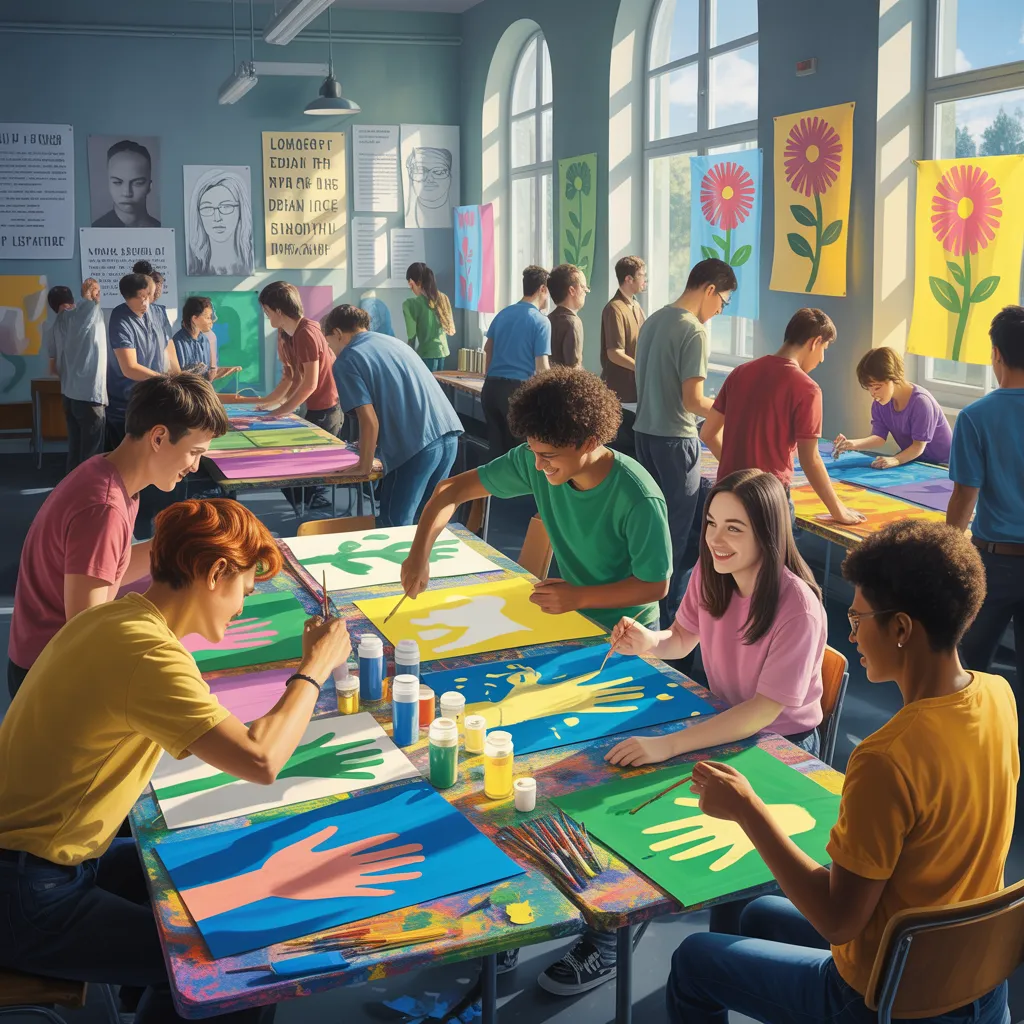
The Expanding Impact of Pro-Israel Advocacy on College Campuses
As pro-Israel engagement rises on college campuses, its effect on student discourse and political engagement becomes increasingly evident. This surge is transforming conversations surrounding international relations, particularly regarding the Israeli-Palestinian conflict. Pro-Israel groups are organizing events, bringing in notable speakers, and fostering dialogues that highlight Israel's democratic values and cultural contributions. These programs often attract a diverse audience, including those who may have previously shown little interest in the topic.
Additionally, the advocacy has inspired students to think more deeply with international matters, prompting debates that transcend the limits of the campus. A number of students find themselves reconsidering their stances on overseas relations, while others become active participants in outreach initiatives. This shifting environment signifies a shift in how democratic activity is approached, with pro-Israel views growing into a part of the broader campus conversation. The reach of these activists is not only evident in discussion but also in defining the political identities of young scholars.
Reaching Students: Pro-Israel Methods on Campus
Pro-Israel advocates are utilizing a variety of strategies to actively engage students on college campuses. These initiatives often include facilitating informative occasions, such as lectures and panel discussions showcasing specialists in Middle Eastern affairs and Israeli heritage. Through creating spaces for educated discussion, these bodies strive to combat inaccuracies and advance a nuanced understanding of Israel's role in global affairs.
Social media campaigns are another key tactic, taking advantage of platforms favored by students to spread constructive narratives regarding Israel. Additionally, pro-Israel groups are creating partnerships with various campus organizations to foster collaborations that emphasize shared values, such as democracy and innovation.
To expand their reach, these organizations often encourage leadership among students by preparing representatives to communicate their viewpoints clearly. This multilayered effort not only seeks to galvanize support but also seeks to develop a more knowledgeable student population regarding the complexities of the Israeli-Palestinian issue.
How College Democrats Are Shaping Political Discussions
Campus Democratic organizations are serving a key role in shaping political discourse on campus, commonly directing debates toward key issues such as equity and social justice. Via structured advocacy, they inspire student participation and foster a sense of community among different points of view. This influence not only impacts campus-level discussions but also resonates beyond the campus, reflecting broader political trends.
Shaping Campus Political Discourse
Student activism on campus has reached new heights as College Democrats become increasingly involved in political discourse. These engaged individuals are driving dialogue about critical issues, from climate change to social justice, and greatly impacting the political landscape. Through planning events, moderating debates, and encouraging dialogue, they foster a culture of engagement among their peers. Their efforts consistently highlight progressive viewpoints, promoting varied perspectives and questioning established narratives. Such involvement not only educates participants but also shapes wider campus opinions. Moreover, College Democrats regularly work alongside diverse organizations, building a coalition of advocates committed to societal transformation. By means of these initiatives, they serve a vital function in influencing political conversations across campuses, laying the groundwork for tomorrow's generation of changemakers.
Driving Student Activism Campaigns
The mobilization of student activism has developed into a significant movement on campuses, with College Democrats taking the lead in political dialogue. By organizing events, rallies, and discussions, they meaningfully involve fellow students in critical issues, cultivating an environment of open dialogue and awareness. Such initiatives frequently transcend partisan boundaries, encouraging participation from diverse groups and amplifying progressive ideals. Through social media campaigns and partnerships with local organizations, College Democrats not only inform but also mobilize students to support initiatives that reflect the values of today's youth. This ground-level method highlights the significance of youth voices in defining the direction of political discourse, ensuring that the concerns of students are represented in wider civic conversations and driving change within academic settings and the broader community.
Exploring a Range of Diverse Viewpoints
As student activism continues to grow on campuses, College Democrats serve a crucial function in influencing political discussions by championing varied points of view. This participation creates a setting where diverse opinions are not only recognized but genuinely celebrated. By including input from individuals of diverse backgrounds, these groups push back against traditional narratives and advance inclusivity in political conversation.
By means of collaborative events, forums, and open discussions, the College Democrats develop platforms for marginalized communities, fostering a more comprehensive awareness of multifaceted topics. Such an approach not only deepens the conversation within their membership but also impacts broader campus conversations. As they address differing opinions, College Democrats showcase the necessity of solidarity across differences, thereby preparing members for upcoming civic involvement in a multifaceted world.
Examining Student Opinions on Israel in the Face of Growing Tensions
How do students manage their views about Israel amidst escalating global tensions? In an ever more divided landscape, numerous students struggle with complex emotions surrounding Israel. On one side, some express strong support for Israel, referencing historical connections and democratic principles. Conversely, some champion Palestinian rights, influenced by social justice movements and calls for equity. This divide frequently sparks heated debates on college campuses, where students aim to communicate their positions while encouraging open dialogue.
Numerous students describe experiencing pressure to establish a clear position, reconciling individual values with the pursuit of group acceptance. This has sparked forums and conversations designed to close gaps, yet the underlying tensions remain palpable. As broader conflicts influence personal dialogues, students increasingly recognize the importance of open dialogue while navigating their changing perspectives on Israel and what it means for worldwide peace and justice.
Meaningful Pro-Israel Efforts on Campus
Pro-Israel initiatives on college campuses frequently emphasize engaging educational campaigns that advance knowledge of Israel's history and culture. These initiatives are strengthened by forming meaningful partnerships with various student organizations, cultivating a cooperative atmosphere for conversation. Collectively, these efforts work to establish a more knowledgeable and welcoming campus environment surrounding the topic of Israel.
Captivating Learning Campaigns
Effective informational programs have emerged as a significant strategy for cultivating understanding and support for Israel on academic campuses. Such programs often involve seminars, panel discussions, and outreach booths intended to dispelling myths and encouraging conversation about Israel's history and contemporary issues. By leveraging diverse communication platforms, like social media campaigns and interactive presentations, pro-Israel organizers successfully engage students from various backgrounds. Partnerships with campus departments strengthen the integrity of such initiatives, enabling thoughtful conversations that engage students. Moreover, underscoring universally held beliefs, like freedom and creative progress, helps bridge gaps between different student groups. Overall, these campaigns play a vital role in cultivating informed perspectives and facilitating thoughtful exchanges about Israel and its importance.
Building Strategic Alliances
Cooperation stands as a pillar for impactful pro-Israel efforts on college campuses, fostering a network of support that goes beyond individual organizations. By forming strategic alliances with various student groups, pro-Israel organizers enhance their outreach and effectiveness. These partnerships often involve engaging with diverse demographics, including multicultural and political organizations, to create a broader understanding of Israel's importance. Joint gatherings, workshops, and discussions can address deficiencies in knowledge and promote dialogue, ultimately cultivating a more informed campus environment. In addition, alliances with faculty and administration can offer necessary resources and legitimacy to programs. Through these collaborative efforts, pro-Israel movements solidify their presence, promoting a more robust discourse surrounding Israel and building a supportive atmosphere for its advocacy on campus.
Developments in Student Activism: The Future of Pro-Israel Involvement
As student activism evolves, the landscape of pro-Israel support on college campuses is experiencing notable transformation. To a growing extent, pro-Israel activists are implementing creative additional article methods that connect with younger demographics. This shift includes leveraging social media platforms to strengthen their voice and engage with a broader audience. Joint initiatives between pro-Israel groups and diverse student organizations are emerging, encouraging dialogue and shared perspectives.
Additionally, the inclusion of educational initiatives, such as seminars and speaking engagements, aims to update students about Israel's past and its place in global politics. These strategies indicate a growing recognition that conventional advocacy techniques may not be sufficient in a quickly shifting political environment. As student engagement becomes increasingly diverse, pro-Israel involvement is likely to grow more encompassing, stressing common ideals and mutual understanding. This development may boost the success of pro-Israel advocacy, and in doing so redefining campus discourse on the Israeli-Palestinian conflict.
Advice for Navigating College Discussions Surrounding Israel
Maneuvering campus conversations about Israel can be complex, especially given the wide range of opinions and intense feelings involved. To engage effectively, students should first approach conversations with an open mind, recognizing that differing viewpoints exist. Active listening is crucial; it fosters understanding and demonstrates consideration for others' opinions.
Employing verified facts and trustworthy sources can help ground conversations in reality, steering clear of the dangers of false information. Fostering collaborative discussion instead of combative debates can result in more meaningful interactions. It is beneficial to identify common values, such as a shared commitment to peace and security, that can form the basis of meaningful dialogue.
In conclusion, being aware of the emotional weight of the subject helps participants to handle delicate matters with consideration. By sustaining a tone of respect and focusing on dialogue rather than debate, students can foster a more thoughtful and compassionate campus atmosphere relating to the intricacies of discussions related to Israel.
Common Questions and Answers
What Are the Main Organizations Behind Pro-Israel Activism on Campuses?
Main groups behind Israel-focused activism on university campuses consist of the Israel on Campus Coalition, Hillel International, StandWithUs, and AIPAC. Such groups aim to advance awareness and support for Israel across student bodies and campus communities.
How Do Pro-Israel Activists Measure Their Success on College Campuses?
Pro-Israel supporters gauge their effectiveness on university campuses by tracking heightened student participation, participation in events, positive campus-wide policies, and improved student knowledge of Israel's perspective. Attendance numbers and social media reach also serve as key indicators.
What Difficulties Do Pro-Israel Supporters Experience From Campus Groups?
Pro-Israel advocates face difficulties from campus organizations that advance conflicting viewpoints, contend with structured opposition, deal with insufficient financial support, and are required to manage university political dynamics, which frequently support opposition to Israel, hindering their outreach and engagement efforts substantially.
Are There Any Notable Alumni Involved in Pro-Israel Activism?
Numerous distinguished alumni participate in support for Israel, among them philanthropists, influential business leaders, and politicians. Their efforts help influence public opinion and policy regarding Israel, cultivating support within various communities and institutions.
In What Ways Is Social Media Shaping Pro-Israel Activism Among Students?
Social media boosts pro-Israel activism across student populations by enabling information exchange, building support, and establishing networks. Online platforms facilitate quick dissemination of messages, promoting involvement and cohesion, while also permitting opposing narratives to be confronted effectively.